Week 4: Instructional Design

Analysis, Instructional Design, Lecture Review

In our daily lives, we are constantly following instructions. Whether it using a parking meter, the washing machine or cooking at home, we are surrounded by this type of design. It can be crucial in certain disciplines, like medical diagrams or airplane evacuation pamphlets. These types of instructional designs, like all, must carefully consider the audience, their background and presumed knowledge. This a reoccurring feature of design work, the user drives the design. As explained by Alberto Cario, the 4 main types of interaction include:

  • Instruction – (most basic means)
  • Conversation – (back and forth dialogue – SIRI)
  • Manipulation – (drag and drop – alters the appearance)
  • Exploration – (games)

Waterson, S. (2019). GDIDMPOD04a [Online Lecture]. Retrieved from https://vimeo.com/319375981
Week 5: Personas

Analysis, Lecture Review

User Personas

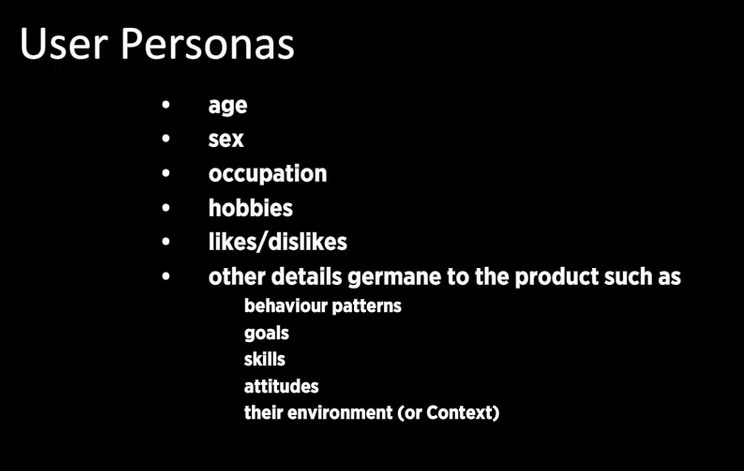
User personas are fictional characters that reflect real users. They are not an exaggeration but a true representation of hypothesised group. When creating personas, it is important to use informed research or knowledge of the intended user base. They should specify goals, behaviours, skills, environmental factors, attitudes, likes and dislikes. During this process the expectations of the users should be outlined as well.

The most important thing to consider when creating a persona is to be true to the task. If you have created an exaggerated persona who fits the criteria perfectly you will not get effective or informative feedback. Designers must consider all aspects of the targeted audience and aim to create solutions to best suit these needs, however, understand that the perfect client or user does not generally exist in the real world.

Artefact Personas

Artefact personas are a direct representation of the project. They help to create an identity and ‘keep things objective’. Consider questions like:

  • If the interface was a person, what would he or she be like?
  • How would you expect users to react when they first view the product?
  • How would you describe this product to a friend?
  • How is the product different from competitive products?
  • Which celebrity is the product most like? / Least like? Why?

Waterson, S. (2019). GDIDMPOD05a [Online Lecture]. Retrieved from https://vimeo.com/319376412