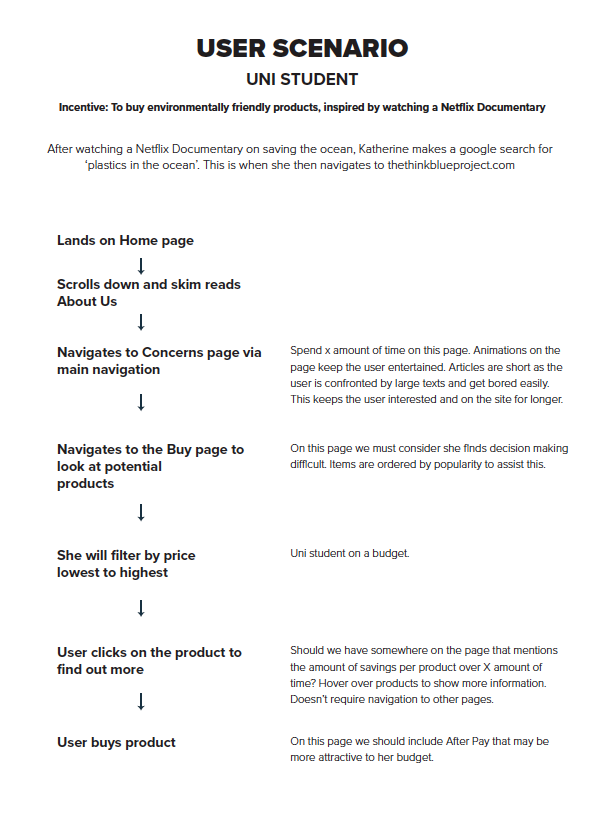
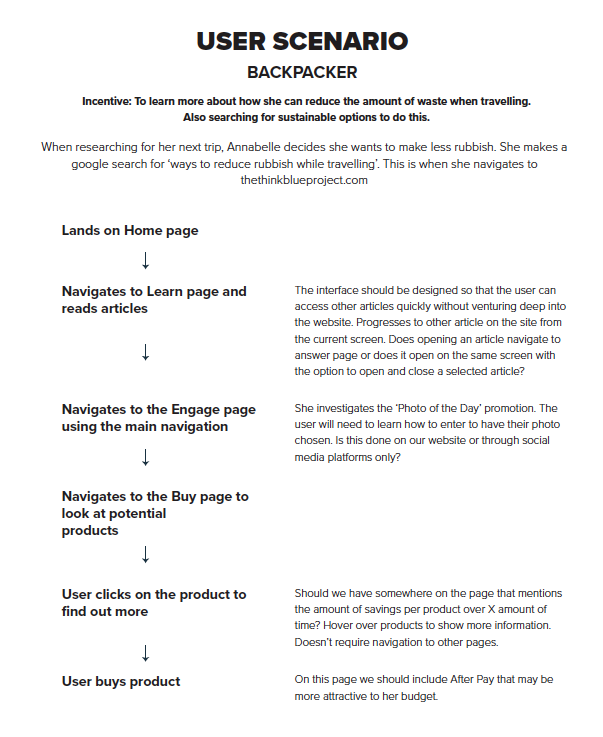
After successfully creating user personas, the next step in the design process is developing user scenarios. These scenarios depict how the intended user will interact with the product or site. If done properly it should identify points that stand out to the user, what things they would look for, and should identify problems and solutions before a final product is released. The process includes mapping out the direct path the user would take when using your product. This process should be done multiple times and should question every decision and aspect of the product.
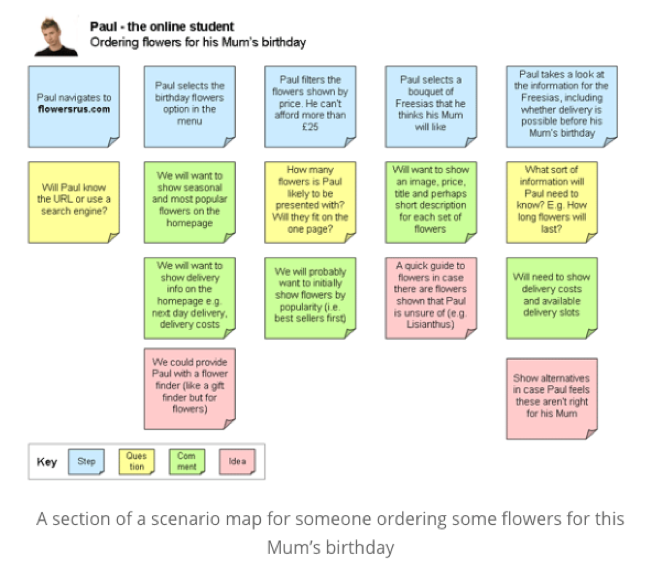
Scenarios are effective in highlighting hierarchy and points of interest in the site. They give designers an idea of what the user would expect to see at certain times throughout their process. Designers should also consider the context in which the user will be interacting with the product. This process is important to solve potential problems as well as attempting to view the product through objective eyes. When a designer is creating, it can be difficult to isolate themselves from the product they are immersed in. A user scenario helps to unveil this objective experience.
Waterson, S. (2019). GDIDMPOD06a [Online Lecture]. Retrieved from https://vimeo.com/319376412
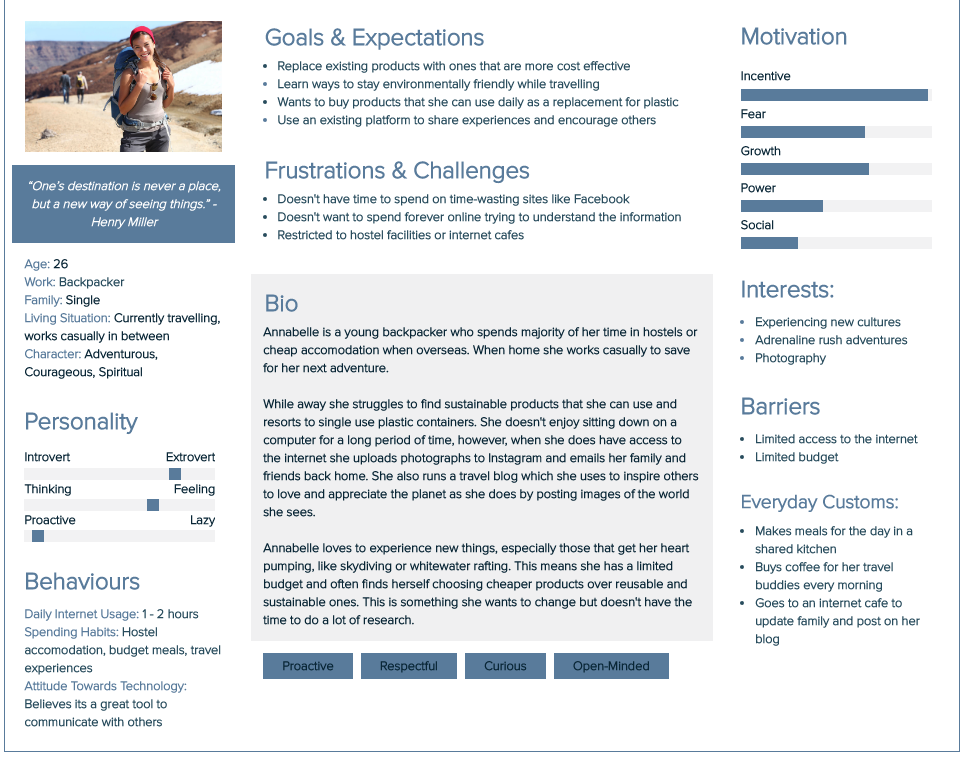
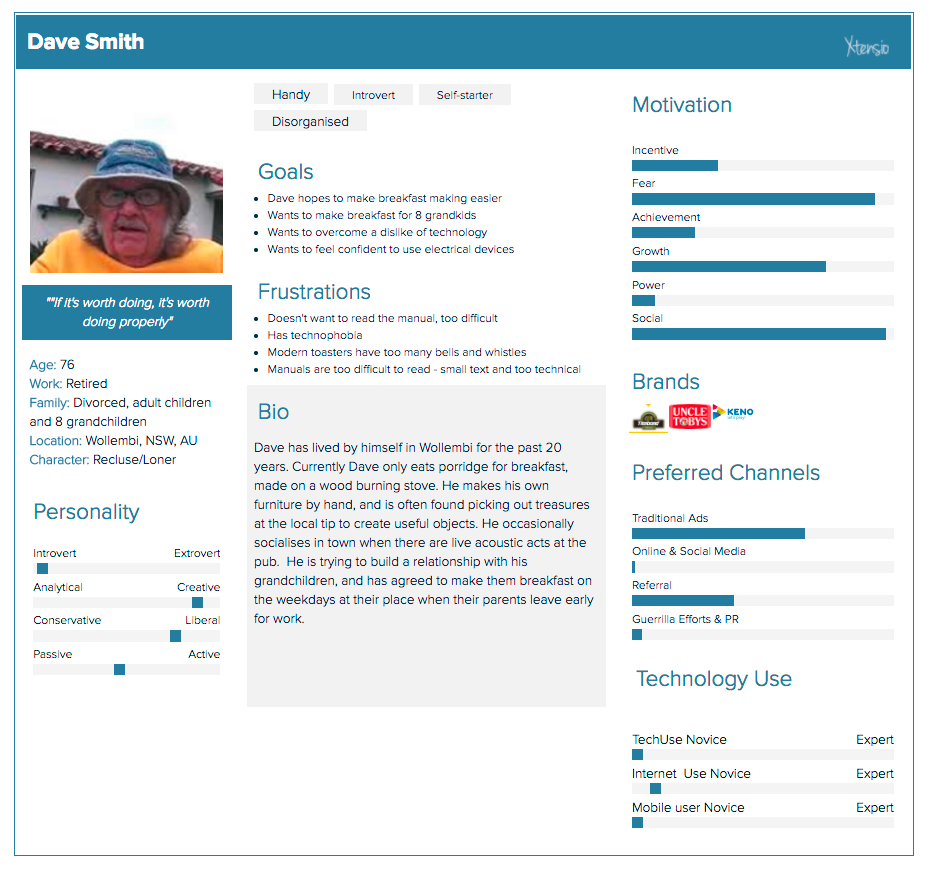
User personas are fictional characters that reflect real users. They are not an exaggeration but a true representation of hypothesised group. When creating personas, it is important to use informed research or knowledge of the intended user base. They should specify goals, behaviours, skills, environmental factors, attitudes, likes and dislikes. During this process the expectations of the users should be outlined as well.
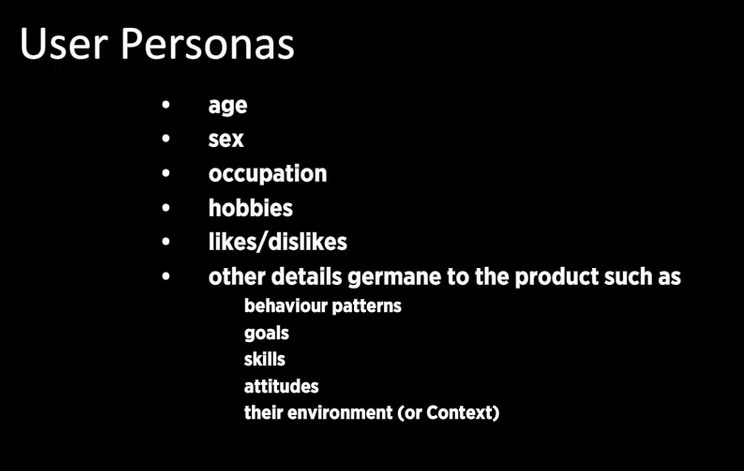
The most important thing to consider when creating a persona is to be true to the task. If you have created an exaggerated persona who fits the criteria perfectly you will not get effective or informative feedback. Designers must consider all aspects of the targeted audience and aim to create solutions to best suit these needs, however, understand that the perfect client or user does not generally exist in the real world.
Artefact personas are a direct representation of the project. They help to create an identity and ‘keep things objective’. Consider questions like:
Waterson, S. (2019). GDIDMPOD05a [Online Lecture]. Retrieved from https://vimeo.com/319376412
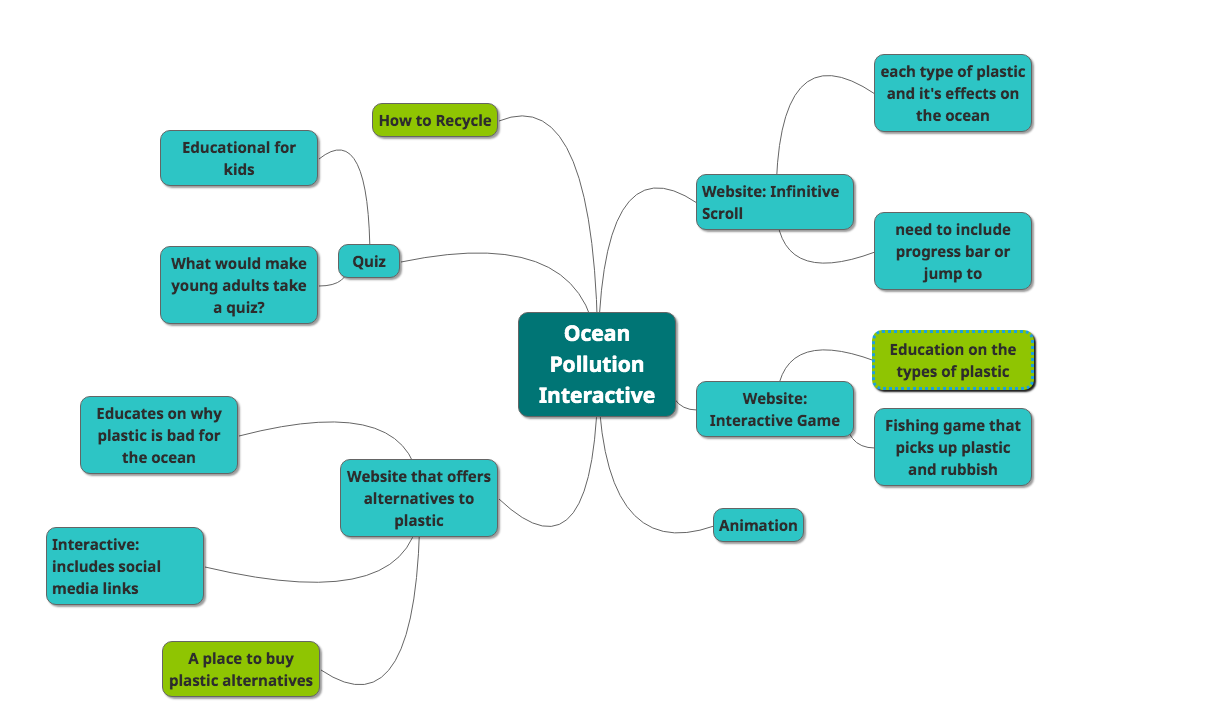


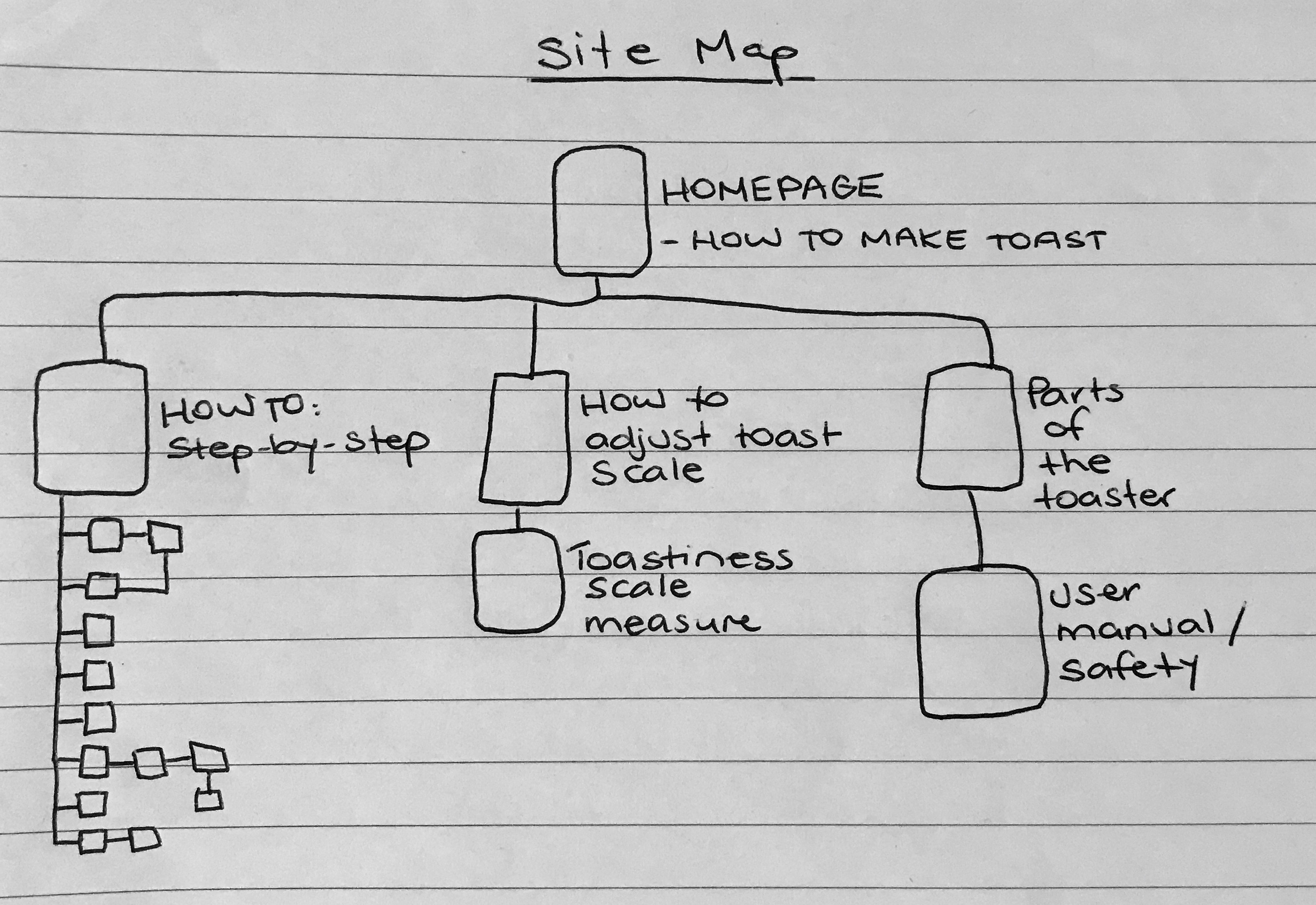
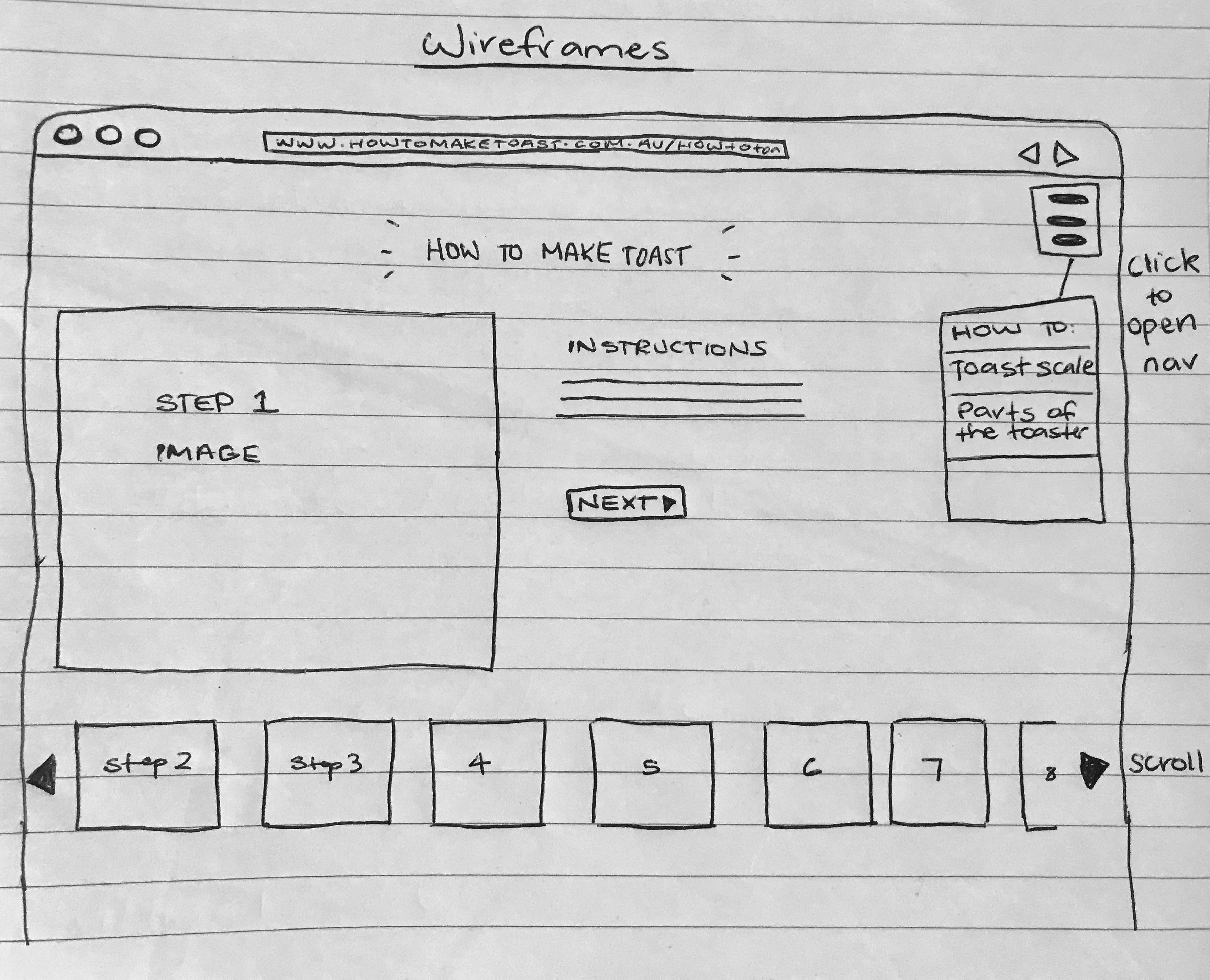

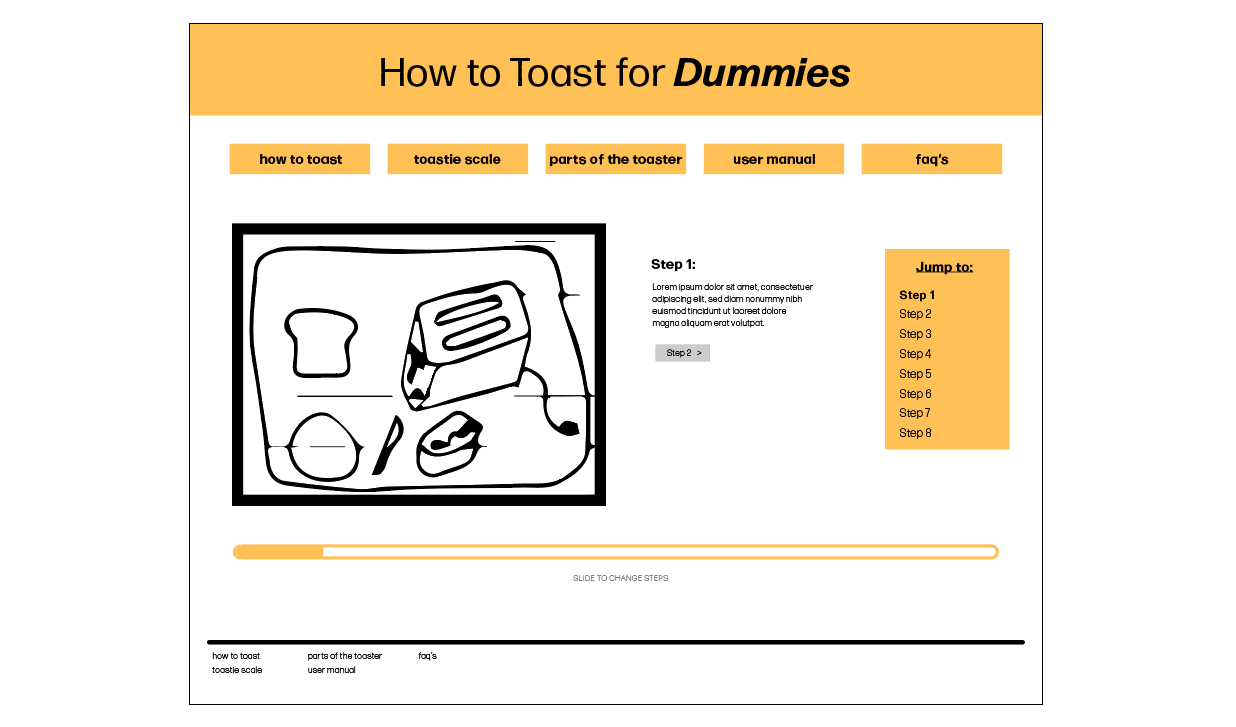

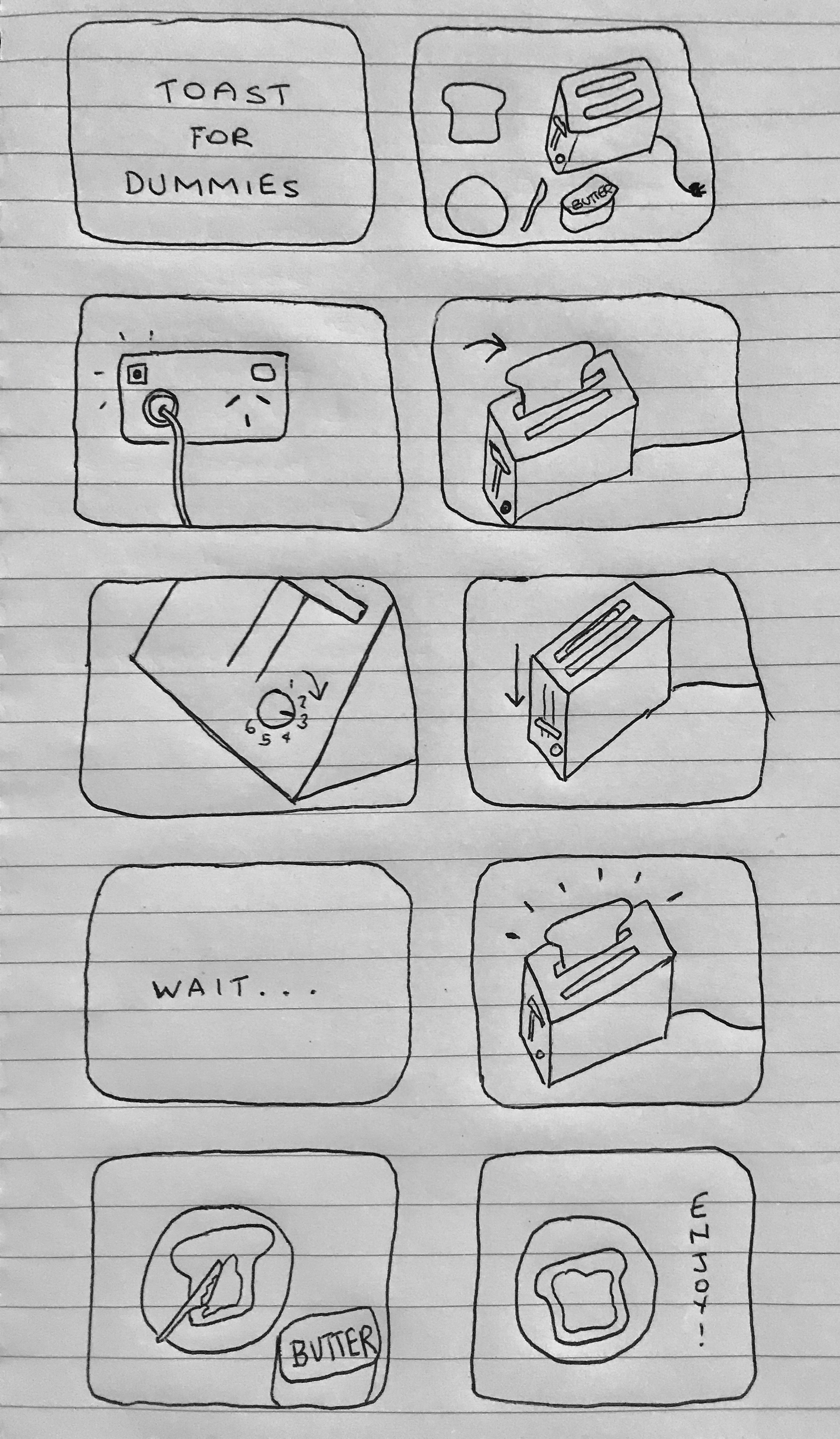
Designers must first consider the complexity and dynamic culture of contemporary society when planning for any widely-used interactive media. Precedent research is done in the preliminary stages of the design process, beginning with brainstorms and note taking based on quantitative and qualitative research, content analysis and observation. The designer makes informed decisions based off the findings to narrow down the research into flowcharts, storyboards and sitemaps to clearly communicate how the user will interact with the interface. If done effectively, the designer will often spend most of their time working through a process and refining design features and concepts, before creating the final product. However, in order to perfect this, the designer must consider, not only how the user thinks and their influences, but also in what context they will use the product.
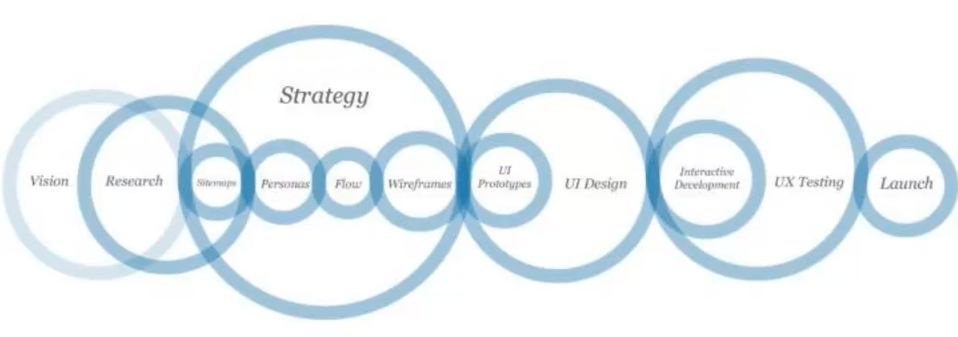
Depending on the clients aims and intended purposes, designers must contemplate their knowledge of the audience as well as potential problems that may occur when using the product. Key points the designer needs to consider include:
Once these have been researched and answered the designer can effectively create a product, that suits both the needs and aims of the client, as well as successfully connecting the user and the information in a clear and efficient manner.
Waterson, S. (2019). GDIDMPOD02a [Online Lecture]. Retrieved from https://vimeo.com/319375610
 Interactive Design Media