Week 1: Intro to Interaction Design

Analysis, Interaction Design, Lecture Review

Interaction is the direct involvement with something. Interaction design relates to the aspects of the interface that the user clicks on or receives feedback from in some way (think: a button that leads them to another page is an interaction). When done properly, interaction design lifts the users experience. By providing instant feedback, through links, buttons and animation, the user is drawn to the site and more likely to stay longer. Interactions need to be thoroughly thought out and planned. Unnecessary interactions can be distracting or confusing. Interaction designers need to consider who they are designing for, their context and prior knowledge.

Designer, Bill Verplank believes the 3 questions to ask are:

how do you do? (act)
(the client does something and we provide the tools)

how do you feel? (think)
(we provide the platform that we think is best suited – control the machine to give them feedback)

how do you know?
(what kind of knowledge do we expect of our users – how can we best guide them)

Sharp, Rogers and Preece, (2002) Interaction Design, John Wiley & Sons, Inc. New York, NY, USA.

Interactivity is something that responds to an action. Types of common interactivity include: phones, websites, conversations and the 5 senses (things we can see, touch, smell, taste, hear). Interactions can be small and almost unrecognisable or explicit. It is most important to understand who you are designing for, once you understand the user, a designer can better plan and create accordingly.

Waterson, S. (2019). GDIDMPOD01a [Online Lecture]. Retrieved from  https://vimeo.com/319375480

Week 2: Process & Context

Interaction Design, Lecture Review

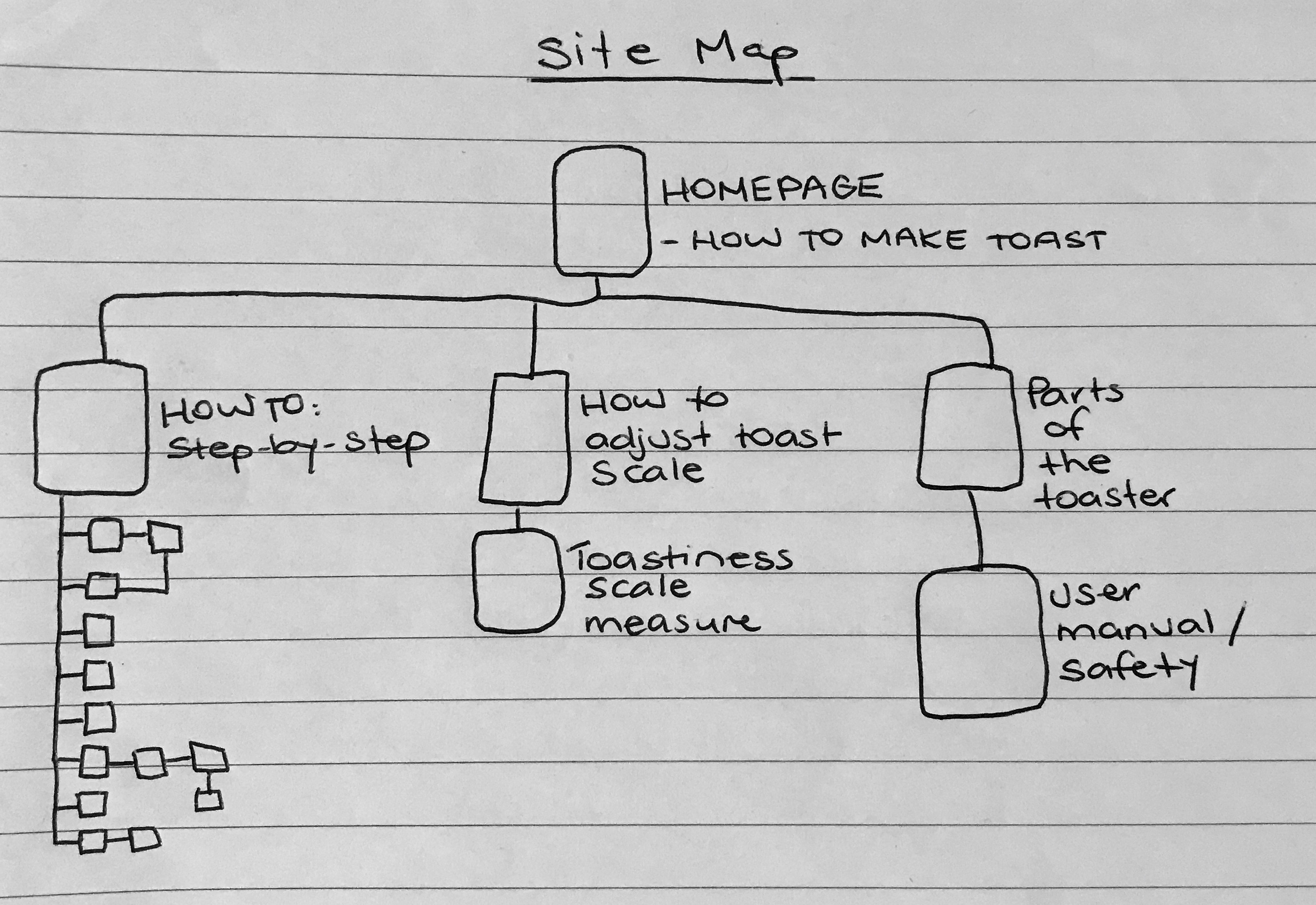
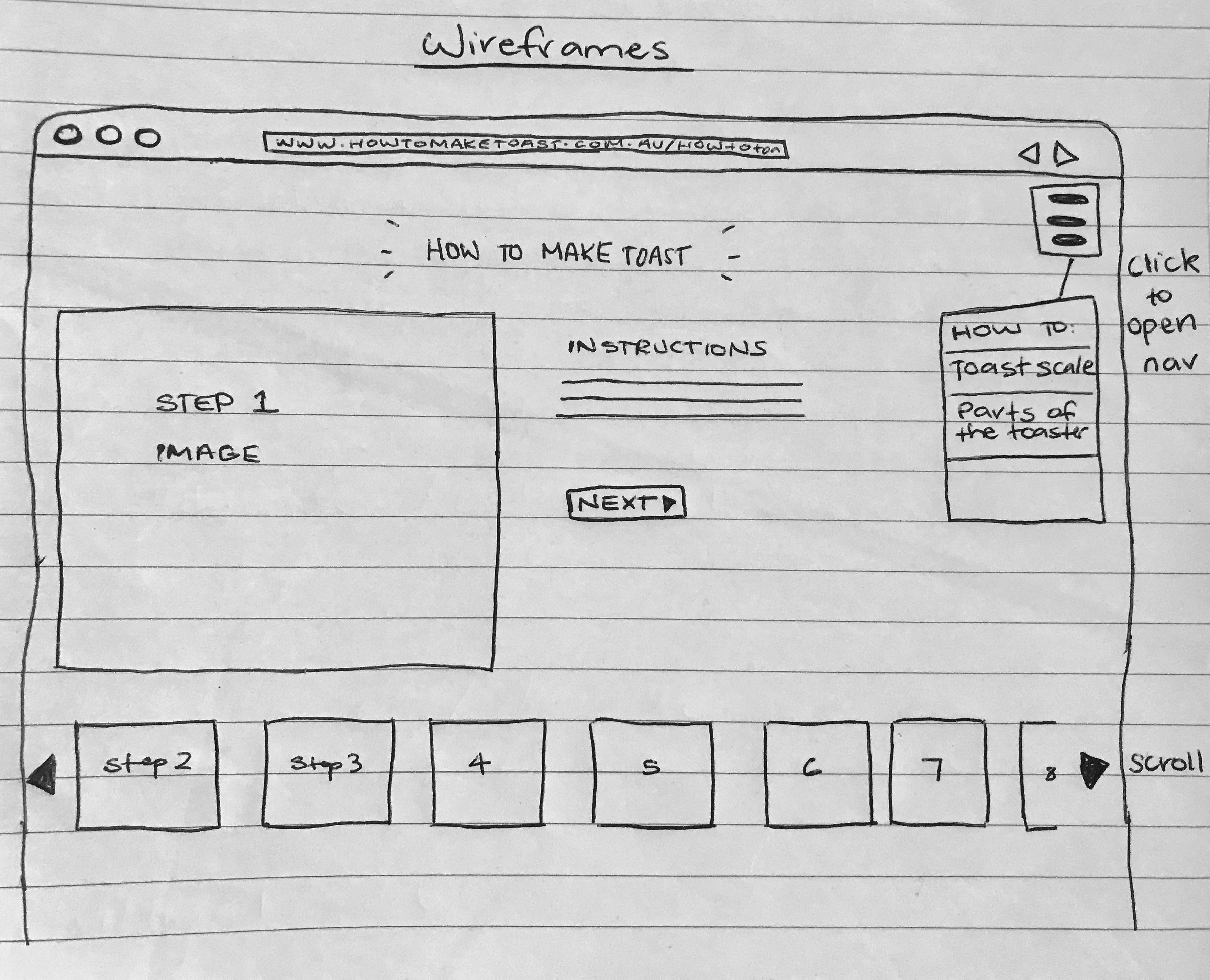
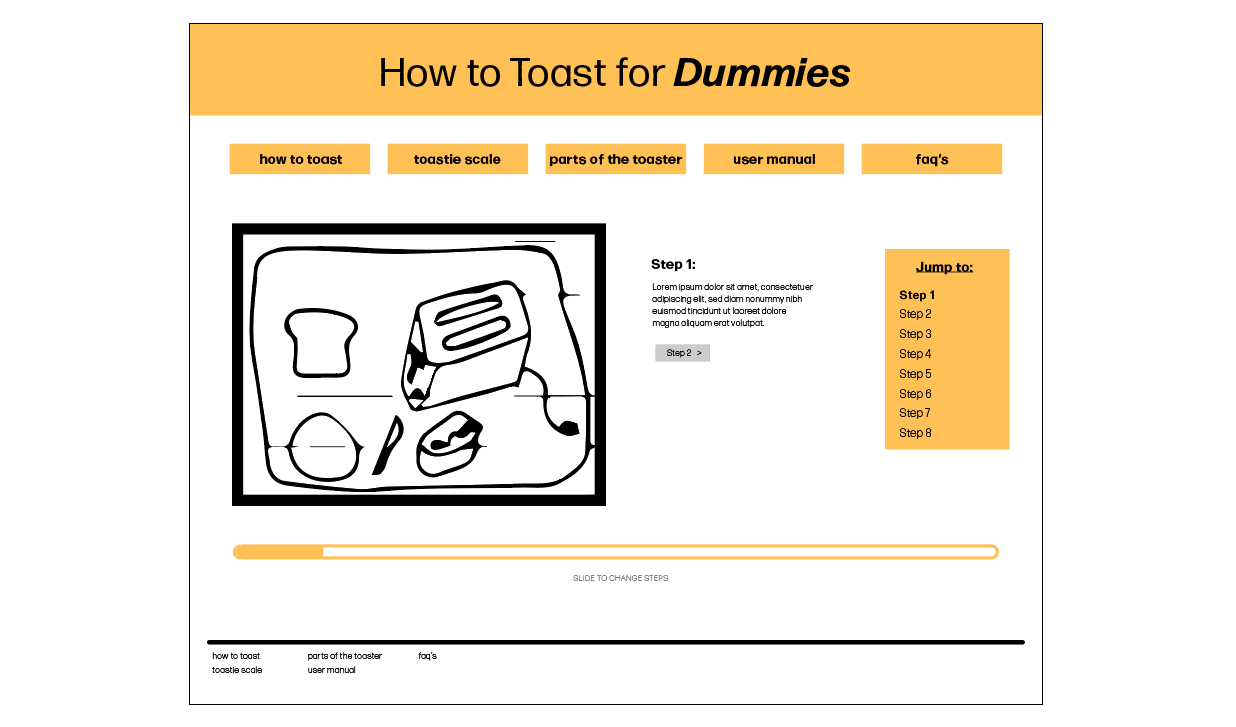
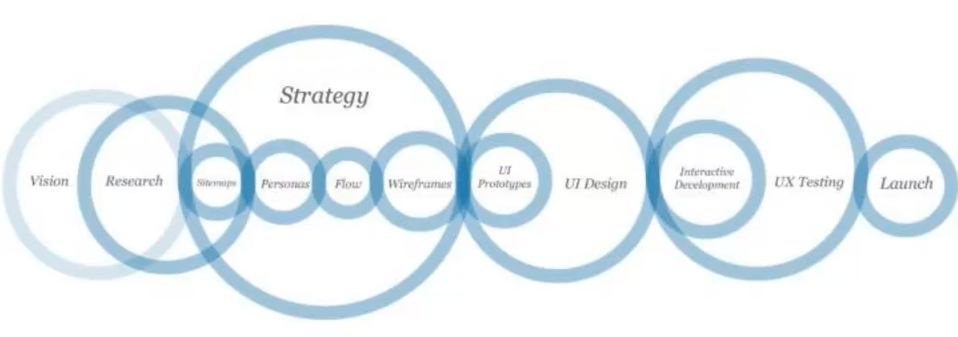
Designers must first consider the complexity and dynamic culture of contemporary society when planning for any widely-used interactive media. Precedent research is done in the preliminary stages of the design process, beginning with brainstorms and note taking based on quantitative and qualitative research, content analysis and observation. The designer makes informed decisions based off the findings to narrow down the research into flowcharts, storyboards and sitemaps to clearly communicate how the user will interact with the interface. If done effectively, the designer will often spend most of their time working through a process and refining design features and concepts, before creating the final product. However, in order to perfect this, the designer must consider, not only how the user thinks and their influences, but also in what context they will use the product.

Depending on the clients aims and intended purposes, designers must contemplate their knowledge of the audience as well as potential problems that may occur when using the product. Key points the designer needs to consider include:

  •  The environment the user will access the product – will they need privacy or is it acceptable for use in a public space?
  • The time the user will spend interacting it
  • The complexity of the product – what assumed knowledge the user must have
  • Any problems that may interfere with using the product

Once these have been researched and answered the designer can effectively create a product, that suits both the needs and aims of the client, as well as successfully connecting the user and the information in a clear and efficient manner.

Waterson, S. (2019). GDIDMPOD02a [Online Lecture]. Retrieved from  https://vimeo.com/319375610

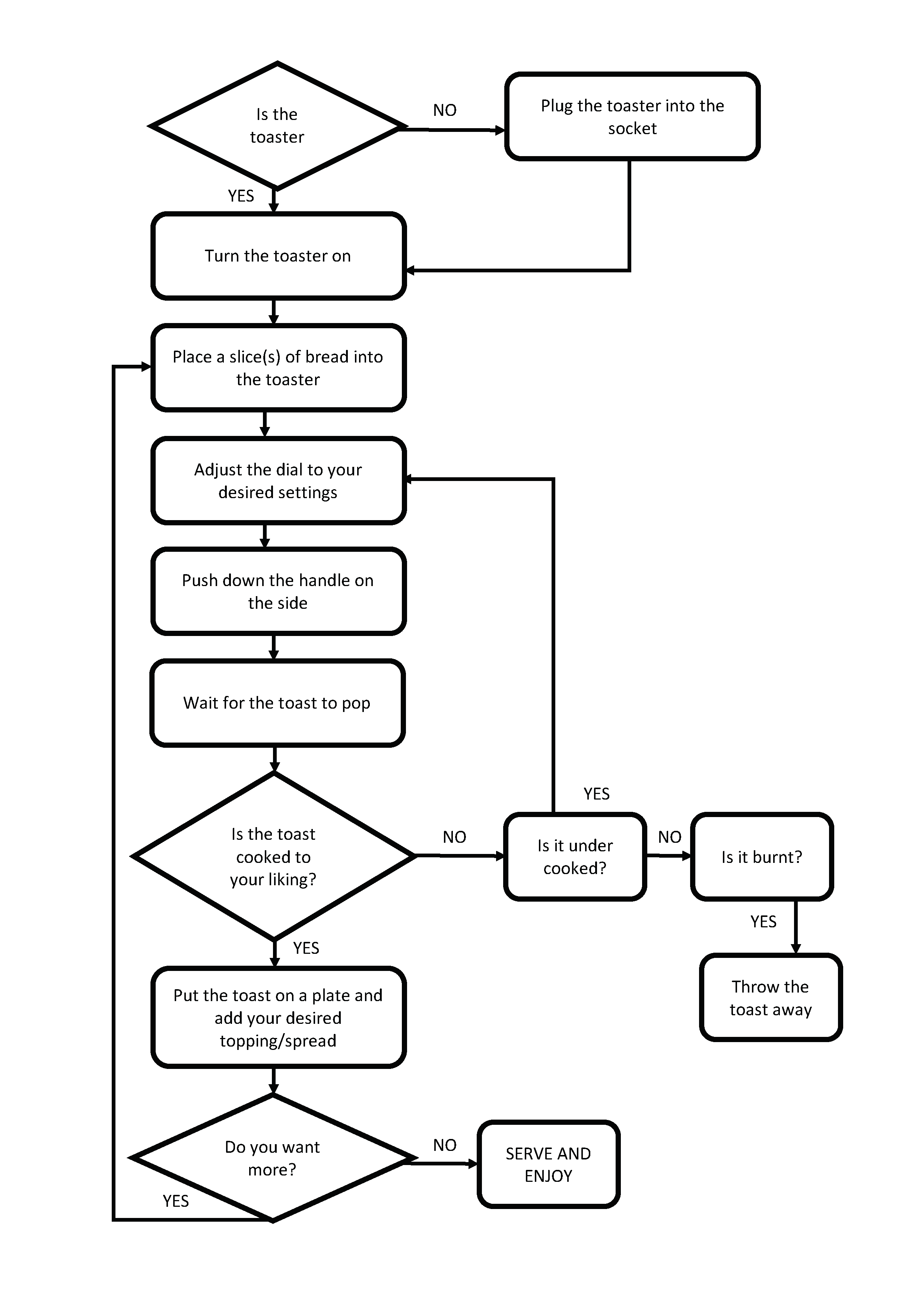
Toasting for Dummies

Interaction Design, Studio Work

Text Description

  • Is the toast plugged in?
  • Plug the toaster into the socket
  • Turn the toaster on
  • Place a slice(s) of bread into the toaster
  • Adjust the dial to your desired setting
  • Push down the handle on the side of the toaster
  • Wait for the toast to pop
  • Is the toast cooked to your liking?
  • Is it under cooked? Repeat step 3
  • Is it burnt? Throw away
  • Once the toast is cooked, put it on a plate
  • Add spread as desired
  • Do you want more toast? Repeat steps 3-9

Flowchart