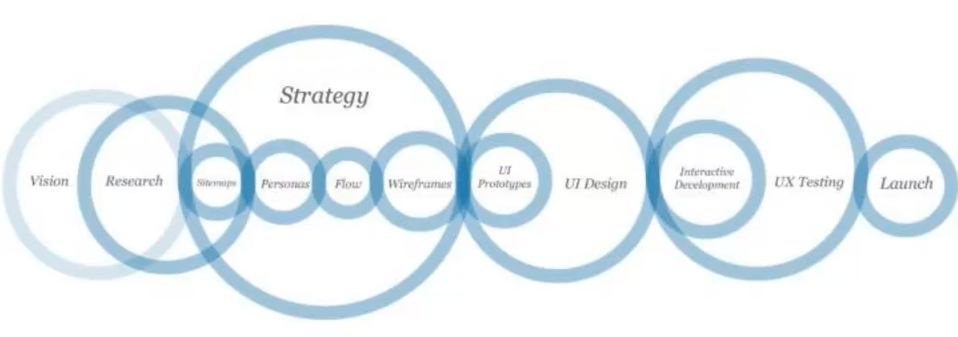
Designers must first consider the complexity and dynamic culture of contemporary society when planning for any widely-used interactive media. Precedent research is done in the preliminary stages of the design process, beginning with brainstorms and note taking based on quantitative and qualitative research, content analysis and observation. The designer makes informed decisions based off the findings to narrow down the research into flowcharts, storyboards and sitemaps to clearly communicate how the user will interact with the interface. If done effectively, the designer will often spend most of their time working through a process and refining design features and concepts, before creating the final product. However, in order to perfect this, the designer must consider, not only how the user thinks and their influences, but also in what context they will use the product.
Depending on the clients aims and intended purposes, designers must contemplate their knowledge of the audience as well as potential problems that may occur when using the product. Key points the designer needs to consider include:
- The environment the user will access the product – will they need privacy or is it acceptable for use in a public space?
- The time the user will spend interacting it
- The complexity of the product – what assumed knowledge the user must have
- Any problems that may interfere with using the product
Once these have been researched and answered the designer can effectively create a product, that suits both the needs and aims of the client, as well as successfully connecting the user and the information in a clear and efficient manner.
Waterson, S. (2019). GDIDMPOD02a [Online Lecture]. Retrieved from https://vimeo.com/319375610
 Interactive Design Media