Interactivity, more specifically interactive design, takes on many forms and relates to any ways in which humans respond to any type of media that require a response or action. This can be as simple as a conversation between two people or the use of a responsive app or website that demands the users input in order to work effectively. Bill Verplank, describes role of interaction design as ‘design for people who act on the world around them and receive feedback’. He considers the role of an interaction designer is to ask 3 questions, how do we act, how do we think or feel and how do we know. Similarly, Gillian Crampton Smith, believes that the designer must first know their audience to design accordingly for their needs. The designer must think for the user and plan interactions based off how the information will be received most effectively. Thus, it is vital for a designer to know how a range of people behave and what preconceived ideas they already have to be able to provide the tools they need and design a platform that connects the user and the information successfully.
Waterson, S. (2019). GDIDMPOD01a [Online Lecture]. Retrieved from https://vimeo.com/319375480reference:
Precedents
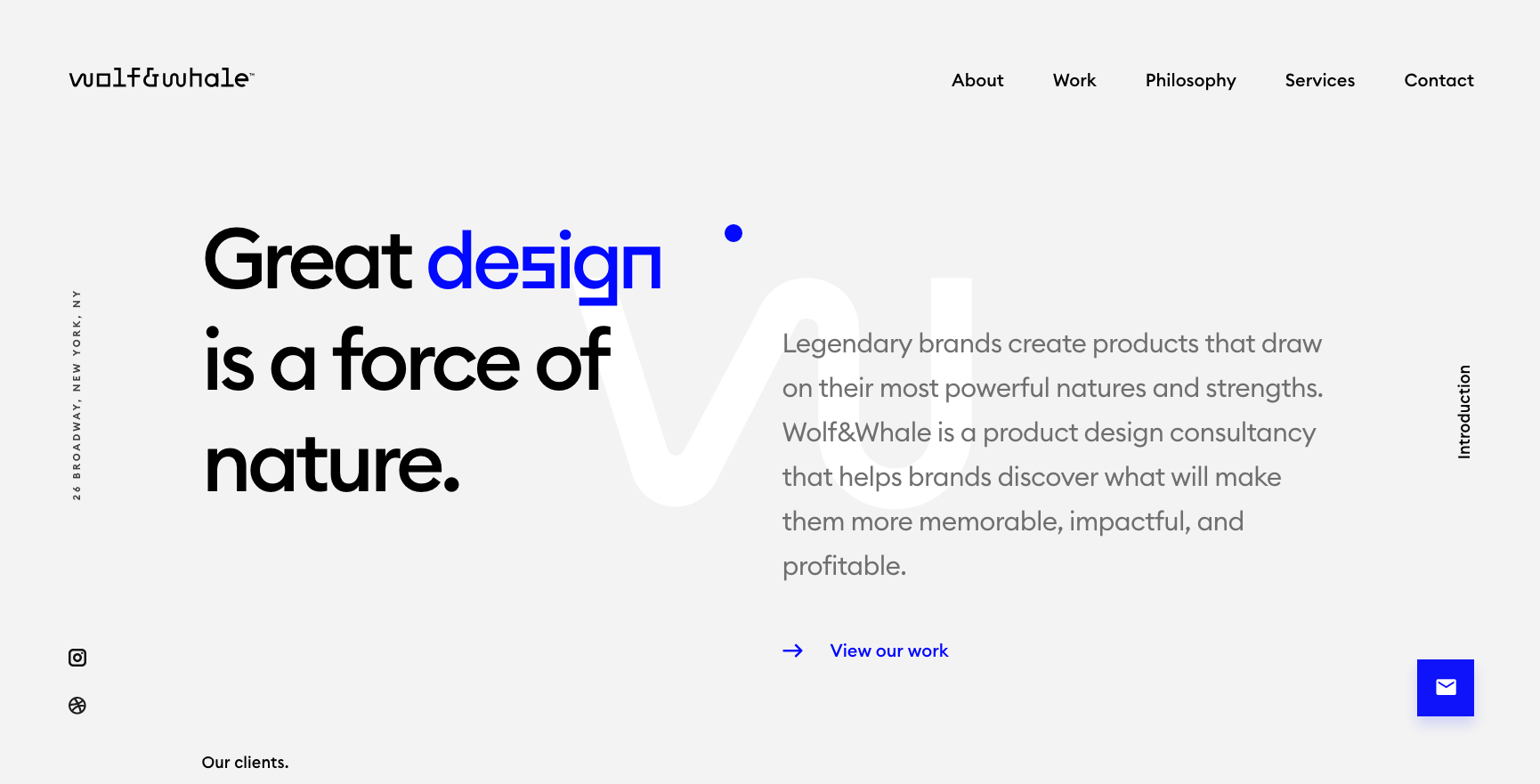
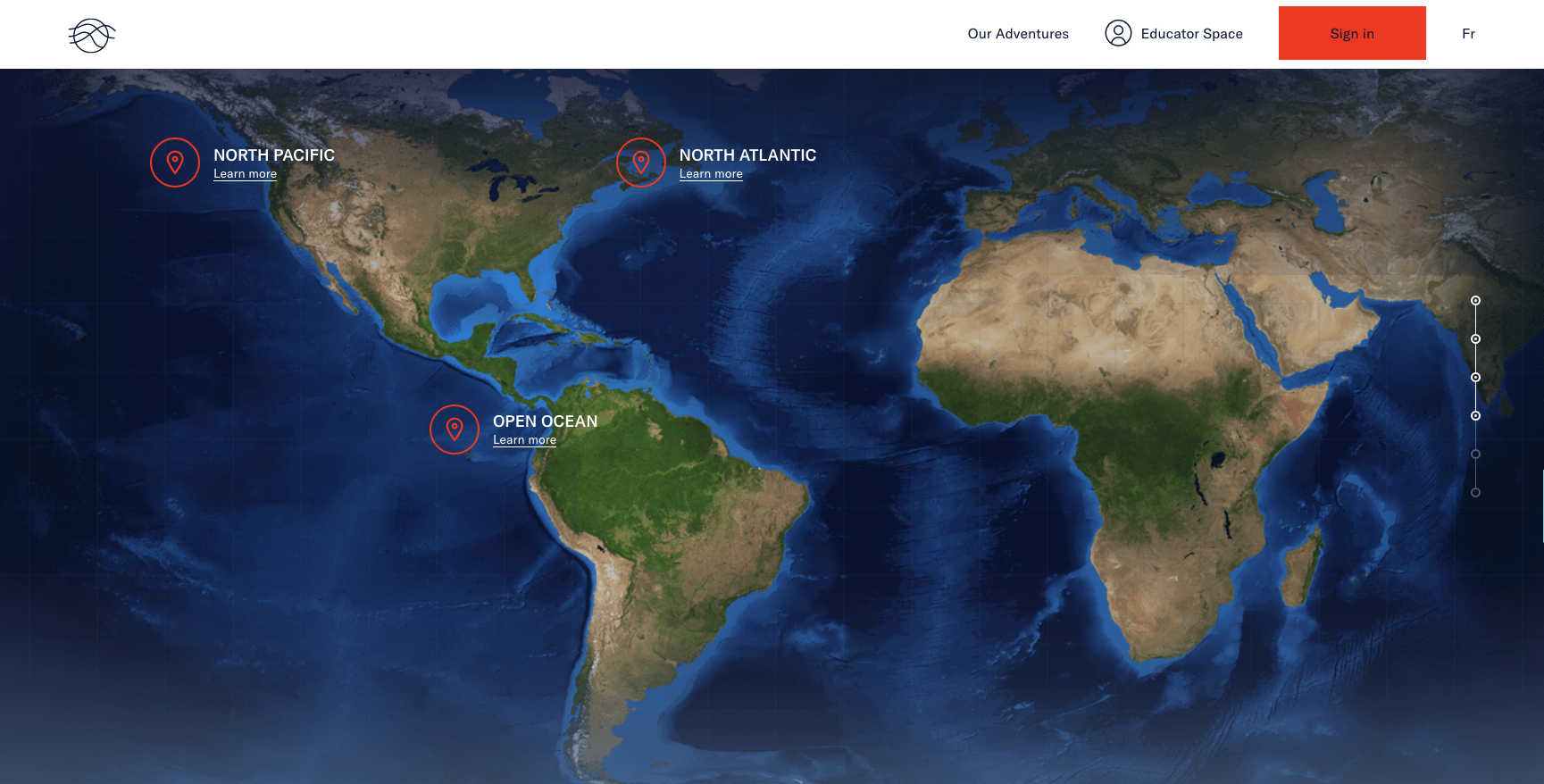
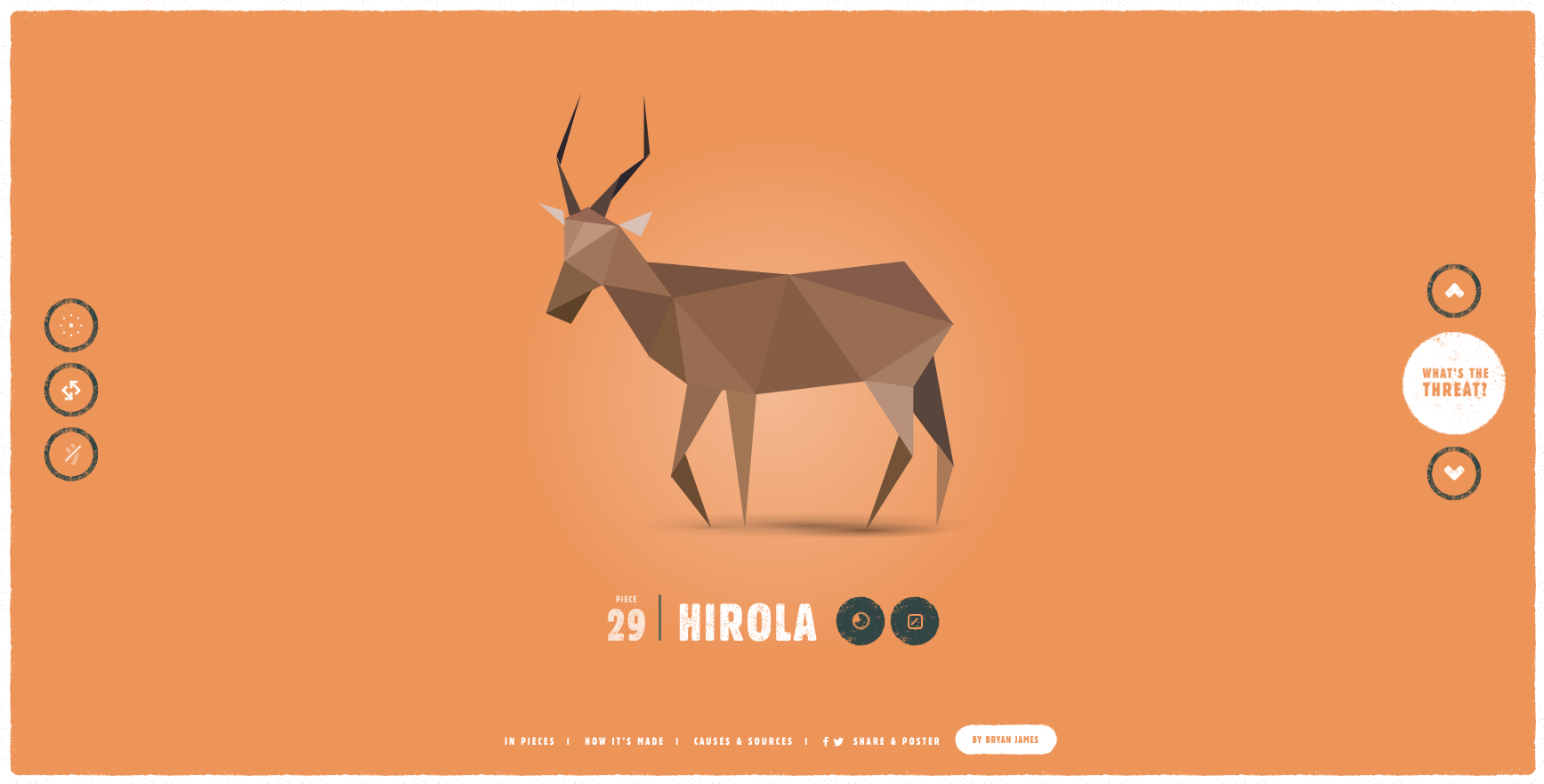
All 3 of these sites utilise a long scroll feature and animation. They require the user to scroll to reveal new information and click on targeted points on the screen. The animations invite the user to expect more as they navigate through the site. These types of interaction are simple and short but capture the users attention. Each use a progress bar on the right hand side of the interface which implies the user would expect to see this here. These user interfaces are a perfect examples of successful interaction design.
 Interactive Design Media